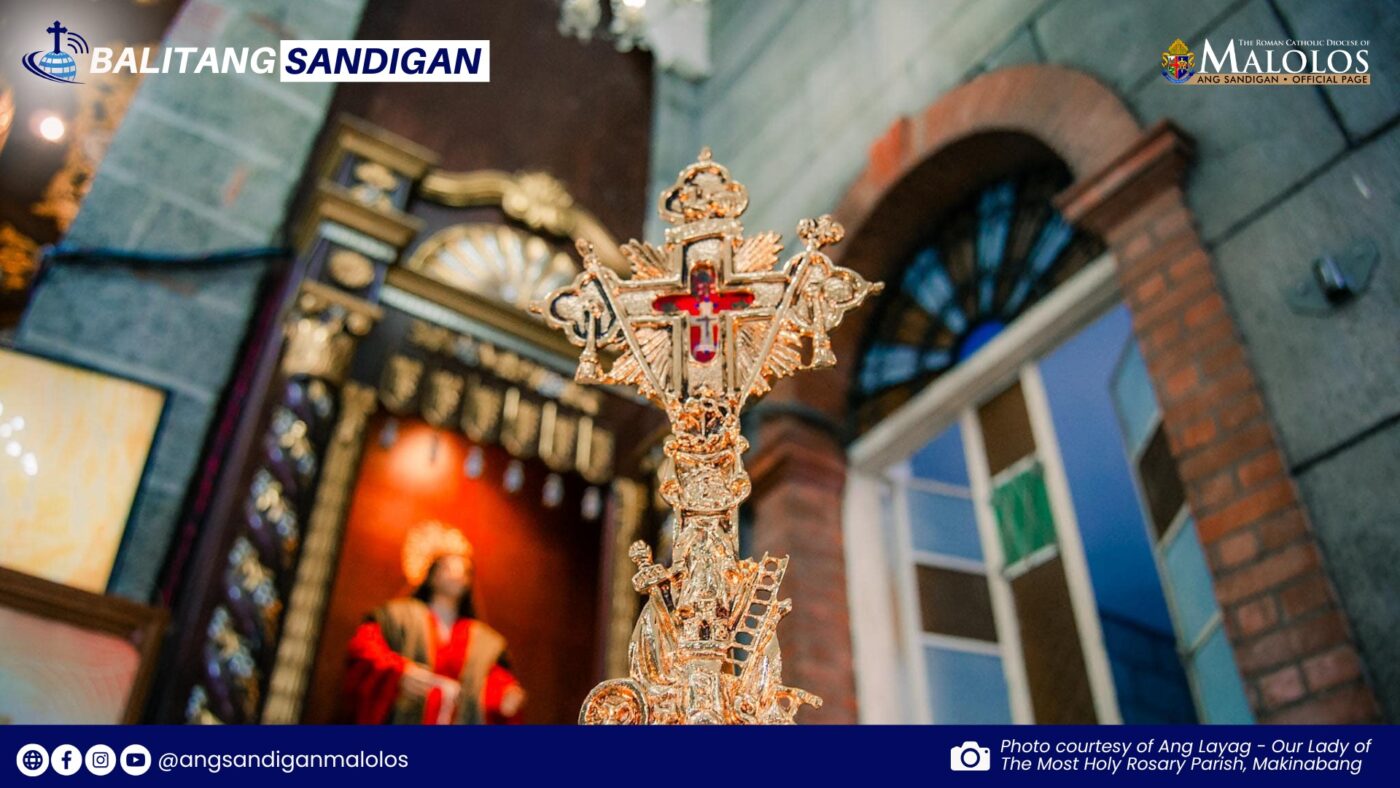
The Stations of the Cross are one of the most famous and widespread devotions of the Catholic Church during Lent. It is usually practiced and meditated on the Fridays of this season. The meditations in this devotion focus on the Passion, Death and Resurrection of the Lord Jesus Christ. It depicts the path taken by Christ to Golgotha, the 'Place of Skulls' or Calvary.

The places where pilgrims and believers in Jerusalem stop for a moment and meditate deeply are called stations. Over time, due to the difficulty of going to Jerusalem, believers were encouraged to meditate on the 'Stations of the Cross' in their own places by meditating and praying at the 'stations' depicted in paintings or statues. Over time, the stations have had different numbers and have also had different orders. Until 1731, Pope Clement XII set the stations at 14 in number and in the order that all Catholics were accustomed to.

It is also said that in the past, a sinner would openly confess his sins, and during Lent, he would ask for prayers from churchgoers or they would travel to Jerusalem to follow the “Via Dolorosa” or the path Jesus took to Calvary. It is customary to hold the “Via Crucis” or Way of the Cross in churches, chapels, public roads and homes of believers where its 14 stations are placed as part of the celebrations and functions during Lent.

There are parishes here in the Philippines that hold their Estacion General or Parish Way of the Cross. The faithful pray fourteen stations together around the neighborhoods, barangays and visitors within the parish while in procession with the image of Jesus Nazarene and the Mater Dolorosa, or sometimes even the personnel of the station's own paso or eksana mounted on the float.

Reference:
CUARESMA

Mga Panginilihan ni Fr. Franz, Hallow
#AngSandiganMalolos
malolosdiocese
The Sandigan - Diocese of Malolos is the official platform of the Roman Catholic Diocese of Malolos under the Malolos Diocesan Commission on Social Communications launched as a website on February 23, 2019.