Write-ups by : Kendrick Ivan B. Panganiban, S.Th.L.-M.A. and Robby V. Dela Vega, L.P.T.
THE CHRISTIANIZATION OF BULACAN
The First Mission Stations of Bulacan

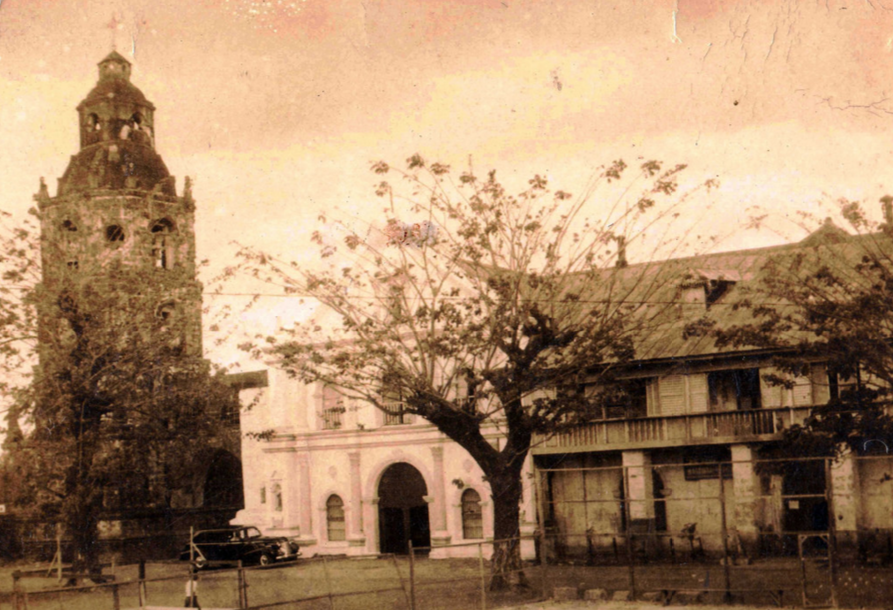
The Church of Calumpit, the first mission station in Bulacan by the Augustinian missionaries in 1575 under the advocacy of St. John the Baptist.
1572
Called as the “Jardin de Filipinas” in Fr. Manuel Buzeta and Fr Felipe Bravo’s Diccionario geografico, estadistico, historico de la Islas Filipinas, Bulacan is indeed one of the most fertile agricultural centers in the country. Surrounded by the provinces of Nueva Ecija (North), Pampanga (West), Quezon and Rizal (East) and Metro Manila (South), Catholicism began in this part of the country in the early years of Christianization of the Philippines. Once comprising of several encomiendas formed with the province of Pampanga, Bulacan became part of the ecclesiastical jurisdiction of the Archdiocese of Manila when the later was erected through the papal bull Illus fulti præsidio on February 6, 1579 by Pope Gregory XIII. The first Augustinian missionaries landed in Meyto in Calumpit town in 1572 and made it a visita of Tondo. It was later created as a house of the order named Parroquia de San Nicolas de Tolentino in 1575 (to be later renamed San Juan Bautista in 1576). On the other hand, Franciscan missionaries founded Meycauayan town and the Parroquia de San Francisco de Asis in 1578.
Vicarias de Bulacan Norte y Bulacan Sur
1575-1898
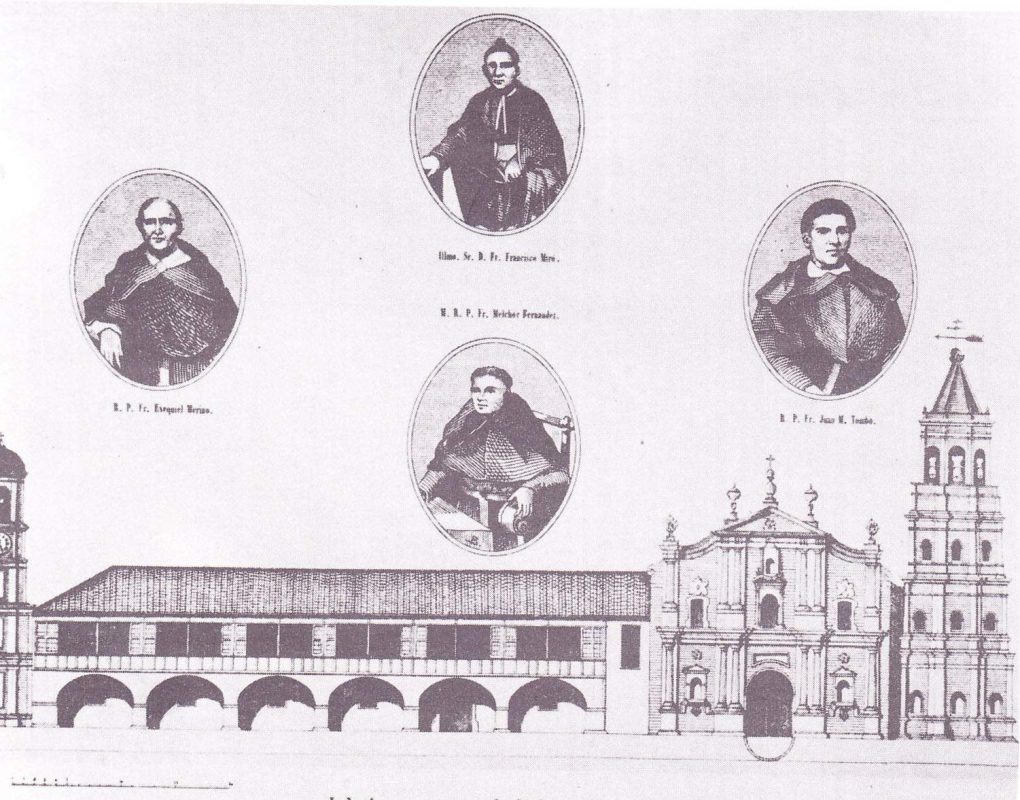
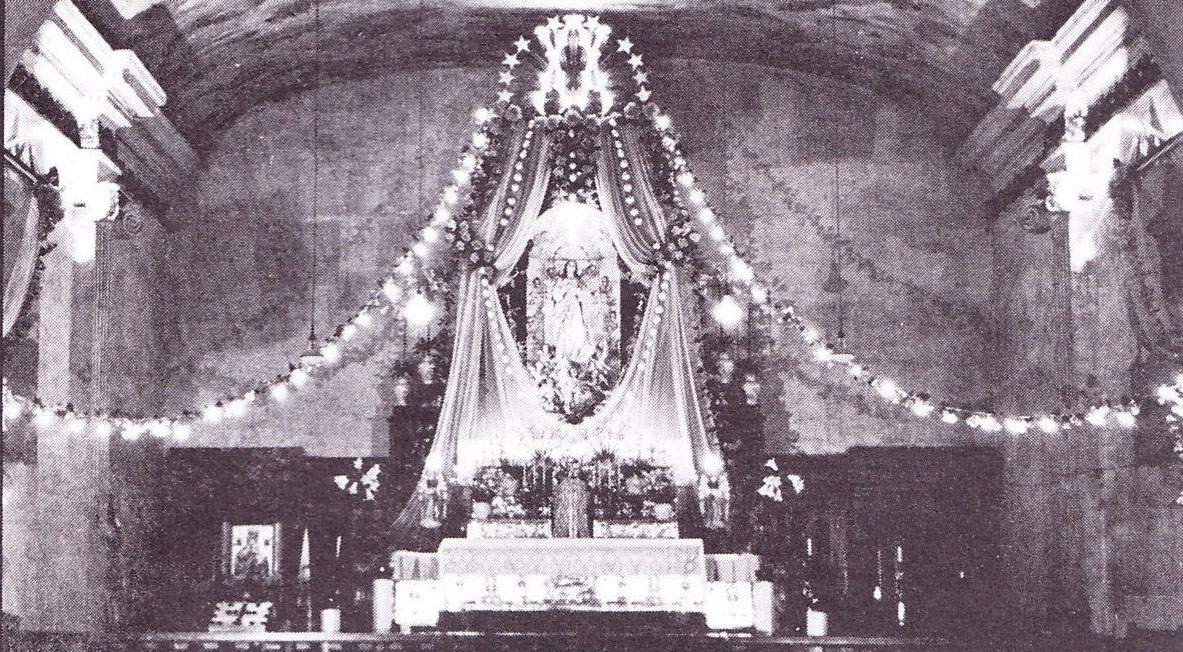
After establishing Calumpit, the Augustinian missionaries founded Bulacan (1578), the future province’s namesake, under the advocacy of “La Asuncion del Nuestra Señora”. This was followed by: Malolos (1580) under the advocacy of “La Purisima Concepcion”; Hagonoy (1581) under the advocacy of Sta. Ana, Madre de Maria; Bigaa [now Balagtas] (1596) under the advocacy of San Lorenzo de Roma; Quingua [now Plaridel] (1602) and Paombong (1639) under the advocacy of Santiago Apostol; Angat (1693) under the advocacy of Sta. Monica; Baliuag (1732) under the advocacy of San Agustin; San Miguel [then part of Candaba] (1725) under the advocacy of San Miguel Arcangel; San Rafael (1750) under the advocacy of San Rafael Arcangel; Norzagaray (1860) under the advocacy of San Andres Apostol, Bustos (1867) under the advocacy of the Sto. Niño and San Ildefonso (1885).
After establishing Meycauayan in 1578, the towns around it were gradually formed: Bocaue (1606) under the advocacy of San Martin de Tours, Polo [now Valenzuela City] (1623) under the advocacy of San Diego de Alcala, San Jose del Monte (1751) under the advocacy of San Jose Obrero, Obando (1754) under the advocacy of San Pascual Bailon with Sta. Clara and the Nuestra Señora de la Inmaculada Concepcion de Salambao as secondary patronesses, Santa Maria (1792) with La Purisima Concepcion as patroness, Marilao (1796) under the advocacy of San Miguel Arcangel and Pandi (1874) under the advocacy of La Inmaculada Concepcion.
The Archdiocese of Manila’s Bulacan territories were divided between the areas between the Augustinians (Bulacan Norte) and the Franciscans (Bulacan Sur). Later on, there would be other subdivisions until the entire territory of Bulacan was considered for separation as an individual diocese.
Saintly Heroes in Bulacan

1575-1898
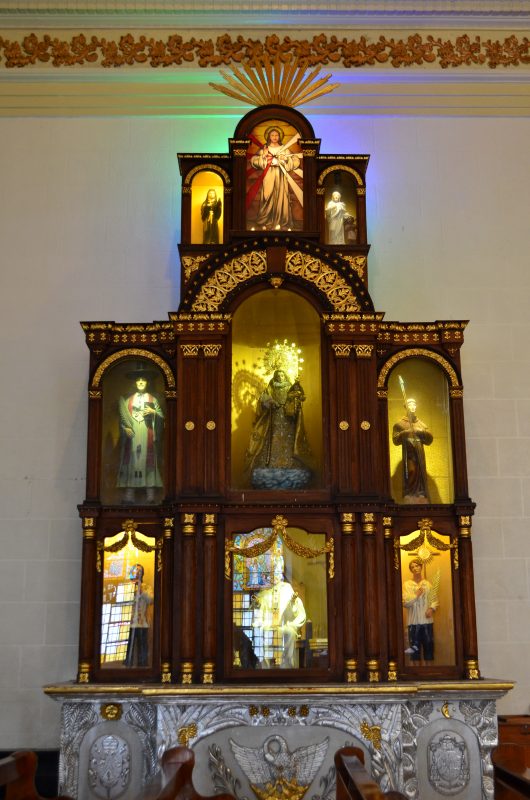
Bulacan became home for some of today’s known holy men and women as its proximity to Manila provided a strategic location for ministerial and educational work. St. Andrew Kim Taegon (1821-1846), the first Korean priest, lived in Lolomboy, Bocaue, Bulacan when he was educated in the Pontifical & Royal University of Sto. Tomas, Manila. The Franciscan martyr St. Pedro Bautista (1542-1597), who became Minister Provincial of Meycauayan stayed there before leaving for Japan in 1588. Blessed Francisco de Santa Maria, also a Franciscan, administered the towns of Meycauayan and Polo before heading to Japan where he met his martyrdom. Fr. Francisco Gascueña, a Franciscan who escaped Christian persecution in China, administered Meycauayan until his death in 1831. The Augustinian Fray Joaquin Martinez de Zuñiga, though not a canonized saint, was a famous historian who wrote two volumes of Estadisimo de las Islas Filipinas o mis viajes por este pais, was assigned in Hagonoy, Bulacan. Fray Manuel Blanco, OSA, a renowned Augustinian botanist who published the monumental Flora de Filipinas which he began to work during his stay in Angat.
Besides the foreign missionaries, religious heroes could also be found among Filipino Bulakeños. Fr. Mariano Pilapil from Bulacan is known for being a censer for the Pasyong Genesis, the originating text of today’s Pasyong Mahal read during Holy Week. Fr. Mariano Sevilla, also from Bulacan, became curate of Hagonoy, a delegate to the 1898 Malolos Congress, and the writer of the Flores de Maria o Mariquit na Bulaclac, the originating text of the Flores de Maria celebration. Calumpit, Bulacan became the birthplace of Servants of God Dionisia de Sta. Maria Talampaz (1691- 1731) and Mitas Cecilia Rosa de Jesus Talampaz (1693 – 1731), co-foundresses of the Beaterio de San Sebastian in Quiapo, now the Augustinian Recollects sisters.
Cradle of Philippine Democracy
1896-1898
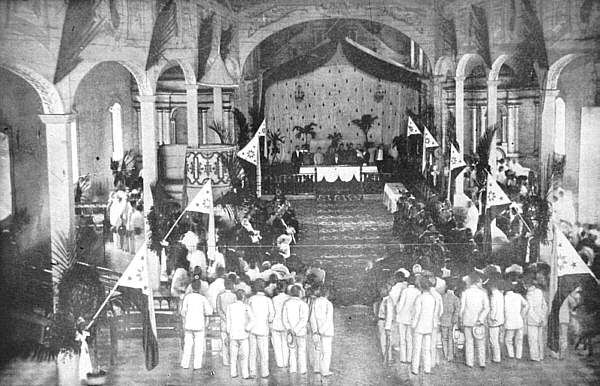
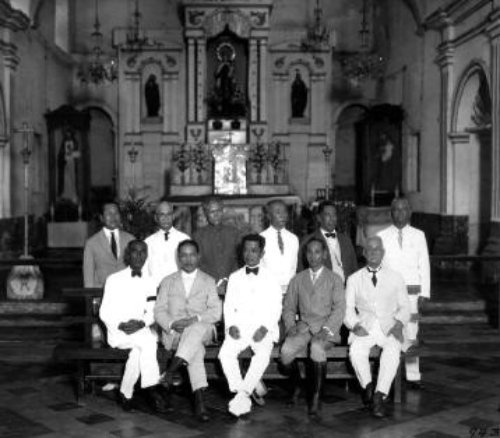
During the Philippine Revolution against the Spaniards from 1896 to 1898, Bulacan would serve as national capital of the first Philippine President, Emilio F. Aguinaldo. Aguinaldo took quarters at the Malolos church convent, the Malolos Congress operated at Barasoain church and other offices in the houses of the elite in the town. Here Malolos became a cradle of Philippine democracy as the first Philippine Constitution became the fruit of the efforts of the Aguinaldo administration in their stay in Malolos. However, as the Americans advanced their invasion from Manila, Aguinaldo and his forces moved north. To our dismay, the burning of churches, especially the Malolos church, was one of the saddest things the revolutionaries did as the Americans arrived in a pillaged and burned Malolos.
CREATION OF A NEW DIOCESE
Christi fidelium 1961
1961
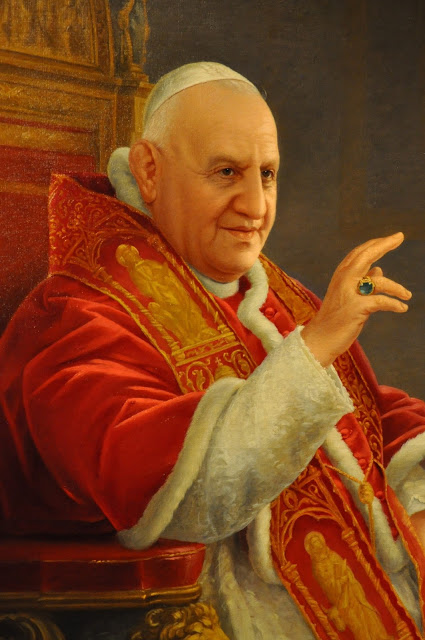
As the Church of Bulacan needed a diocese of its own, Pope St. John XXIII, on November 25, 1961, issued the Apostolic Constitution Christi fidelium, separating the Diocese of Malolos from the Archdiocese of Manila and establishing it as its suffragan. The present territory of the diocese is the civil province of Bulacan composed of the towns of Hagonoy, Malolos, Paombong, Plaridel, Guiguinto, Balagtas, Bocaue, Baliuag, Bustos, San Miguel, San Rafael, San Ildefonso, Angat, Norzagaray, Pulilan, Marilao, Meycauayan, Sta. Maria, Pandi, San Jose del Monte, Obando and Meycauayan. Valenzuela was later separated from Bulacan to be a component city of Metro Manila. Doña Remedios Trinidad was then created as a town for the portion near the Sierra Madre mountains.
First Bishop of Malolos
1962-1977
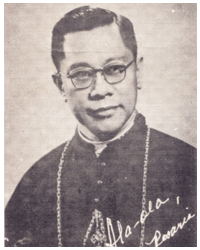
For the new diocese, Most Reverend Manuel Platon del Rosario, then Bishop of Calbayog, Samar was appointed as the first Bishop of Malolos. He was jubilantly welcomed by the newly-gathered Bulakeño faithful that now formed the diocese. Governor Tomas Martin and the provincial cabinet of Bulacan were present. Del Rosario’s canonical installation was presided over by then Apostolic Nuncio to the Philippines, Salvatore Siino. During his tenure, he established the Immaculate Conception Seminary (Minor) in 1962 at the Bulacan church convent, and was later transferred to the current seminary complex in Tabe, Guiguinto, Bulacan. Religious and monastic orders were soon invited to form communities here as Bulacan became a known producer of priestly and religious vocations. During this time, the diocese had eight (8) vicariates: Valenzuela, Malolos, Hagonoy, Sta. Maria, Baliuag, Meycauayan, Plaridel and San Miguel. In 1966, Del Rosario received Bishop Leopoldo A. Arcaira (+1994) as his auxiliary bishop. In 1971, Bishop Ricardo J. Vidal (who became Archbishop of Lipa, then Cebu) was appointed as coadjutor bishop due to Del Rosario’s ill health.
THE GROWTH OF THE DIOCESE
The Seminaries
1977-1987
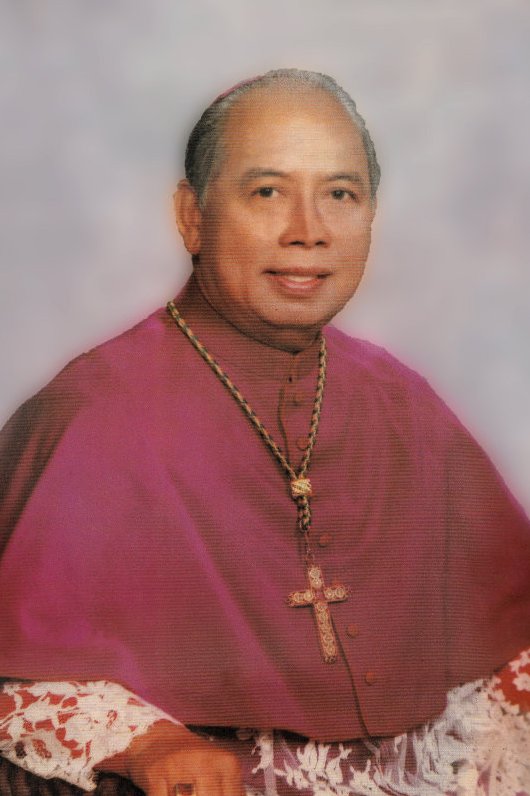
As Bishop Vidal was assigned as the new Archbishop of Lipa, Malolos was given a young and energetic bishop from Cavite, Most Rev. Cirilo Reyes Almario, Jr., D.D. who was appointed Apostolic Administrator sede plena of Malolos and then became the second Bishop of Malolos. Several developments would in fact occur during Almario’s term. One of his most known is the establishment of the diocese’s own major seminary, the Immaculate Conception Major Seminary. The Institute of Formation was established in 1983 with Msgr. Fernando G. Gutierrez as first Rector. The college department followed the next year and its theologate in 1987. ICMAS, as it is called, is Almario’s greatest legacy. Today the seminary houses future priests not only from Malolos but from neighboring dioceses as well.
Silver Jubilee of the Diocese
1987-1988
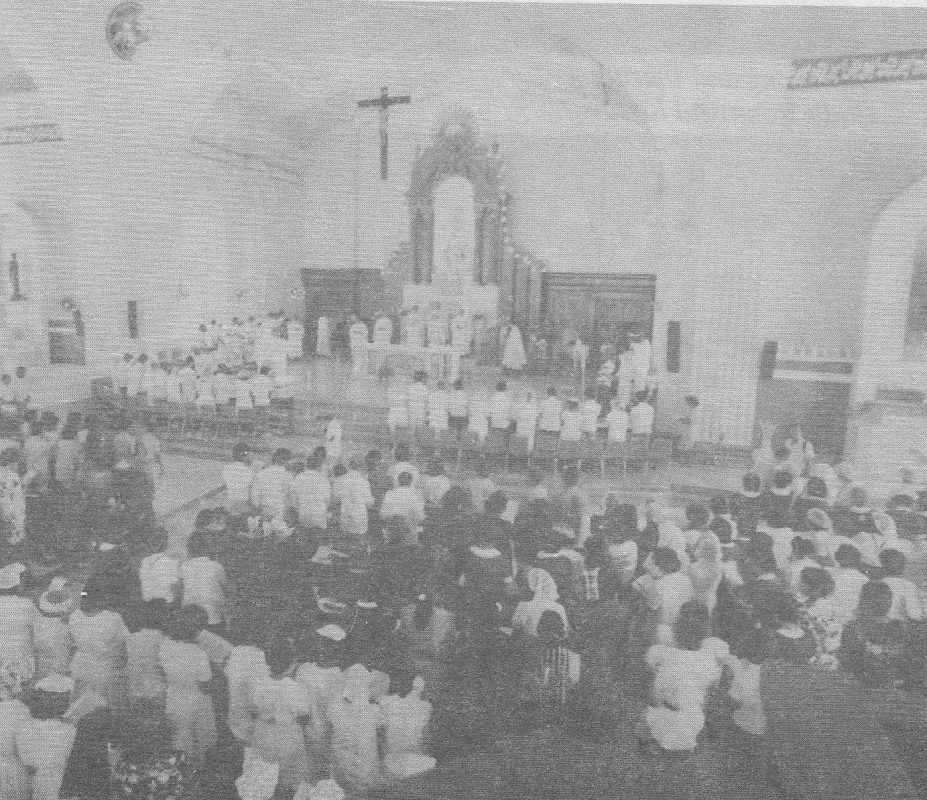
In 1987, Almario headed the Diocese’s Silver Jubilee in celebration of its 25 years as a local Church. Special jubilees were held during the event such as Jubilee Days for Men, Women, Children, Priests, Religious and Seminarians. On March 11, the Diocese celebrated its anniversary date with much joy and festivity. Donations for the poor were also held on the next day and preparations for the Diocese’s first synod was held.
The First Synod of Malolos
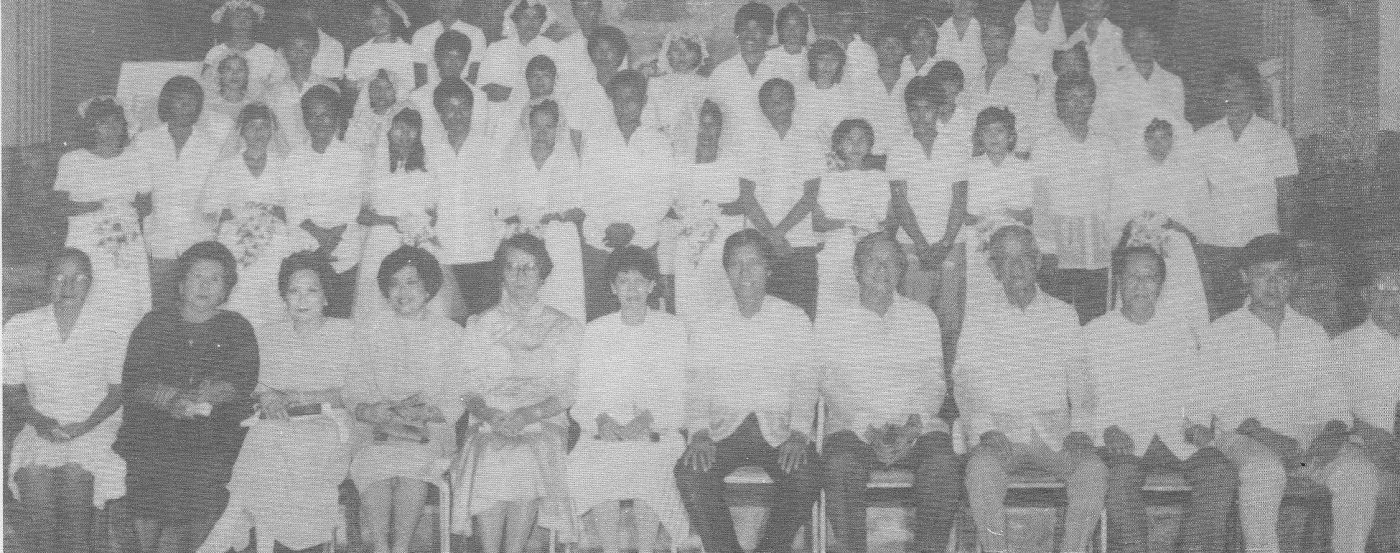
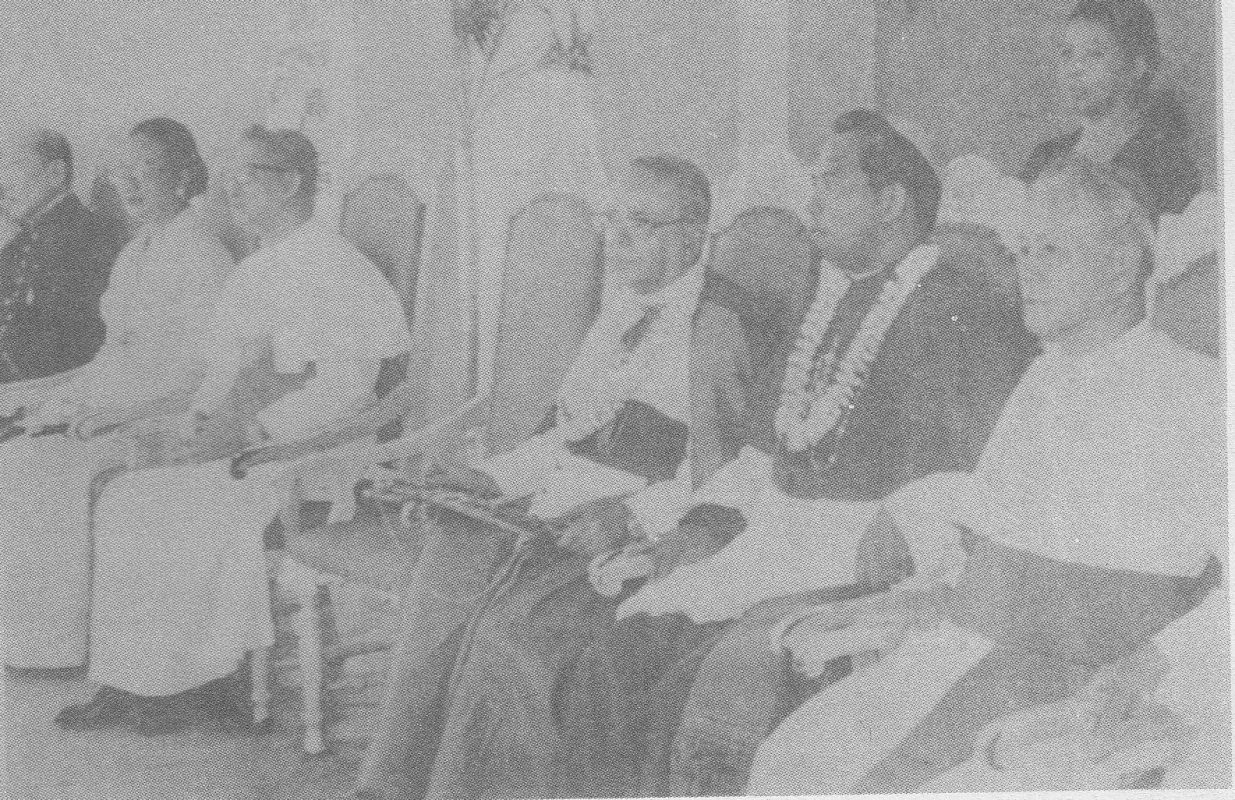
June-July 1987
On the occassion of the diocese’s 25th anniversary, the first synod was held with the theme, “Prepare for the Lord a Perfect People” (Lk. 1:17) that was prepared by all the faithful as means of receiving the reform of the Scond Vatican Council. Bishop Almario divided the aspects of Christian life and formed the WESTY (Worship-Evangelization-Service-Temporalities-Youth) formation. During this time, the Diocese was again divided, adding another vicariate: St. Martin of Tours (Bocaue).
Third Bishop
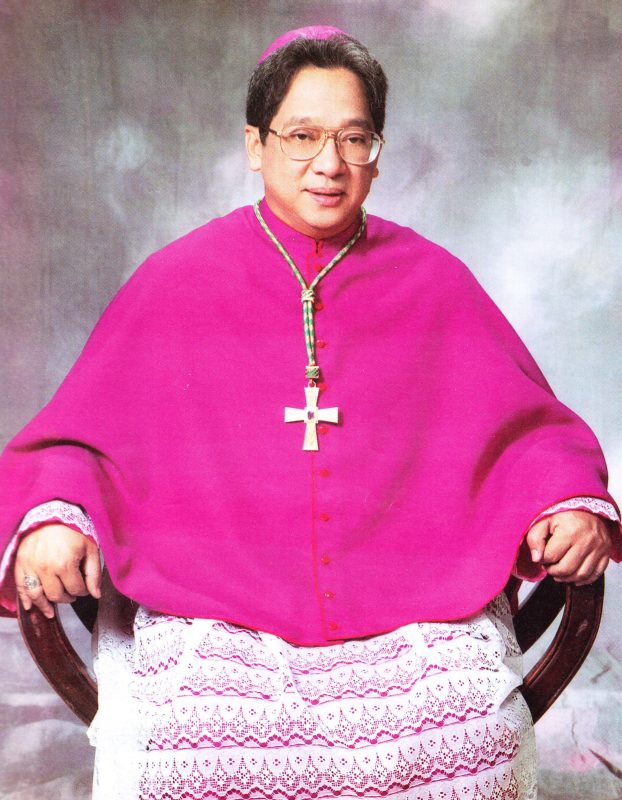
1996-2003
With Bishop Almario’s resignation in 1995, then Manila Auxiliary Bishop Rolando Octavus Joven Tria Tirona, O.C.D., D.D. was appointed as the third Bishop of Malolos. Despite his short tenure, much of his pastoral work in the Bulacan local church involved fulfilling most of the plans Almario left of, part of which is the elevation of the Malolos Cathedral into a minor basilica. During this time, the 10th vicariate of the Diocese was formed, San Jose del Monte.
The Basilica and Shrines
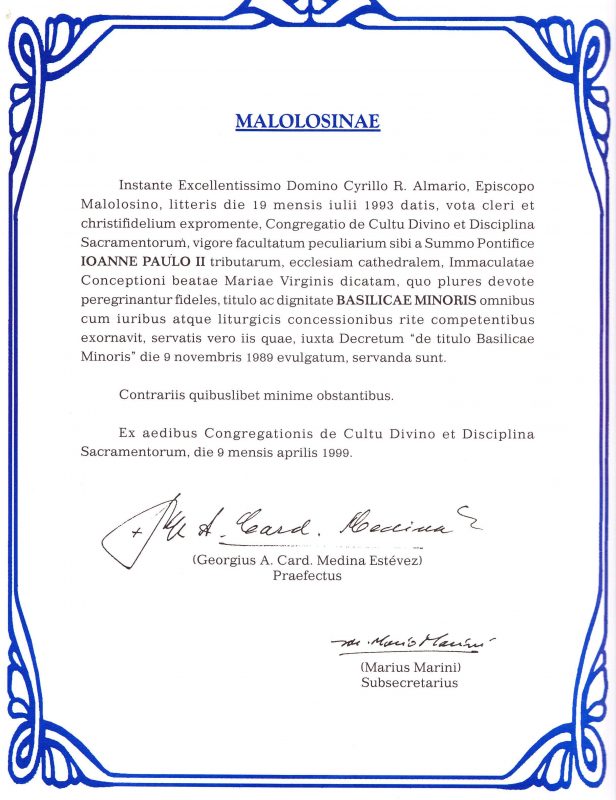
1999-2000
On December 1999, at the inauguration of the Great Jubilee Year 2000, the Diocese of Malolos witnessed the elevation of its cathedral as minor basilica granted by Pope St. John Paul II together with the episcopal coronation of its patroness, La Virgen Inmaculada Concepcion de Malolos.
SHRINES
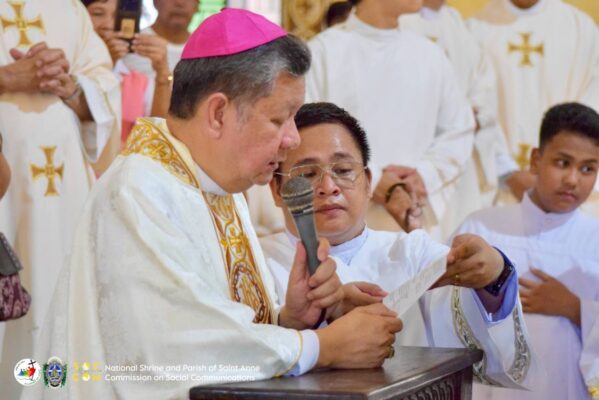
Together with the basilica at present are eight (8) more shrines in the Diocese: the Parish of the National Shrine of Our Lady of Fatima, Valenzuela City (1976); the National Shrine and Parish of St. Anne, Hagonoy, (1991); the National Shrine of the Divine Mercy, Marilao; the Diocesan Shrine and Parish of Sagrado Corazon de Jesus, San Rafael (2000); the Diocesan Shrine of Mary, Mother of the Eucharist & Grace, Sta. Maria (2006); the Diocesan Shrine of Nuestra Señora de la Inmaculada Concepcion de Salambao, Obando (2007); the Diocesan Shrine of Mahal na Poon ng Krus sa Wawa in Bocaue (2008) and the Diocesan Shrine and Parish of St. John the Baptist, Calumpit (2013).
Religious-Cultural Activities
BULACAN’S RELIGIOUS FESTIVALS
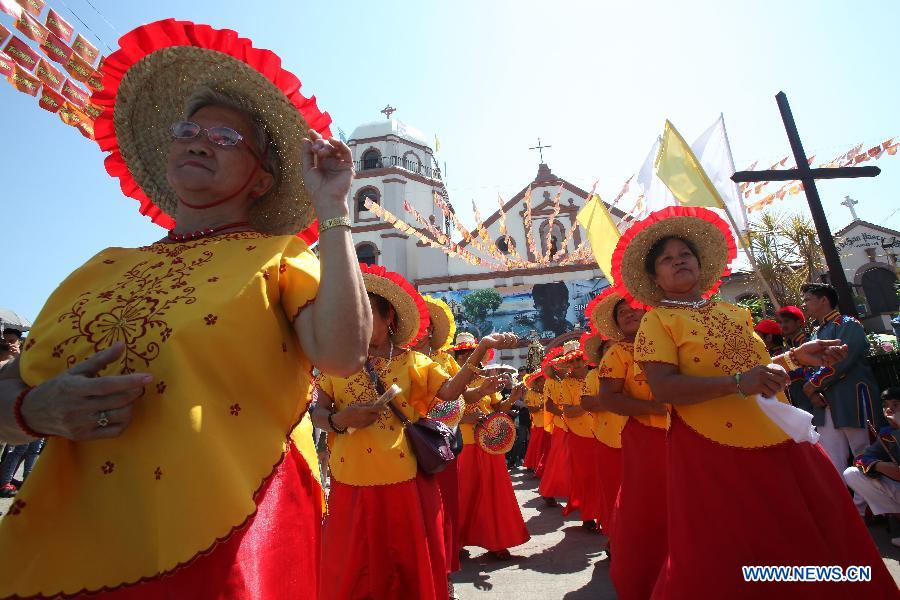
All year round, the faithful of Bulacan manifest their religious spirituality and popular religiosity with its various festivals. Each locality offers a remarkable expression of faith that gives color to the way Bulakeño Catholics present their devotions.
HOLY WEEK
The Holy Week is one of the most active religious celebration both in Bulacan and the entire country. In Baliuag town, the annual Good Friday procession reaches to a hundred carrozas, all going for the longest Lenten procession in the country.
SUMMER FIESTAS
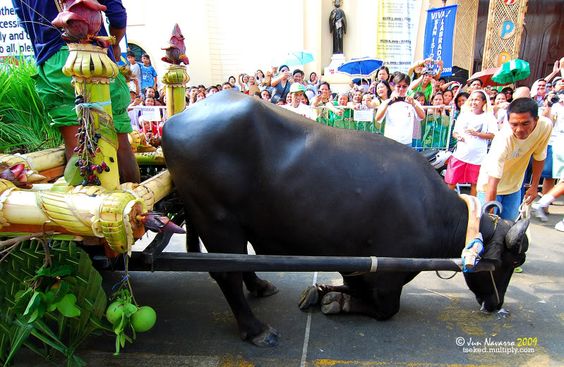
Besides the Flores de Mayo and Santacruzan, Bulakeños also thank several patrons for their intercessions. In Pulilan town, carabaos kneel in front of San Isidro Labrador every May 15 as a form of homage for abundant harvests. Obando town has its May fertility dance every May 17-19 for those who dance for the prayer to conceive children. On this three-day festival, dedicated to the three patrons of Obando (San Pascual Baylon, Sta. Clara de Asis and the Nuestra Señora de la Inmaculada Concepcion de Salambao), the faithful dance their way in a procession for the prayers of couples and families be heard and answered.
FLUVIAL PROCESSIONS
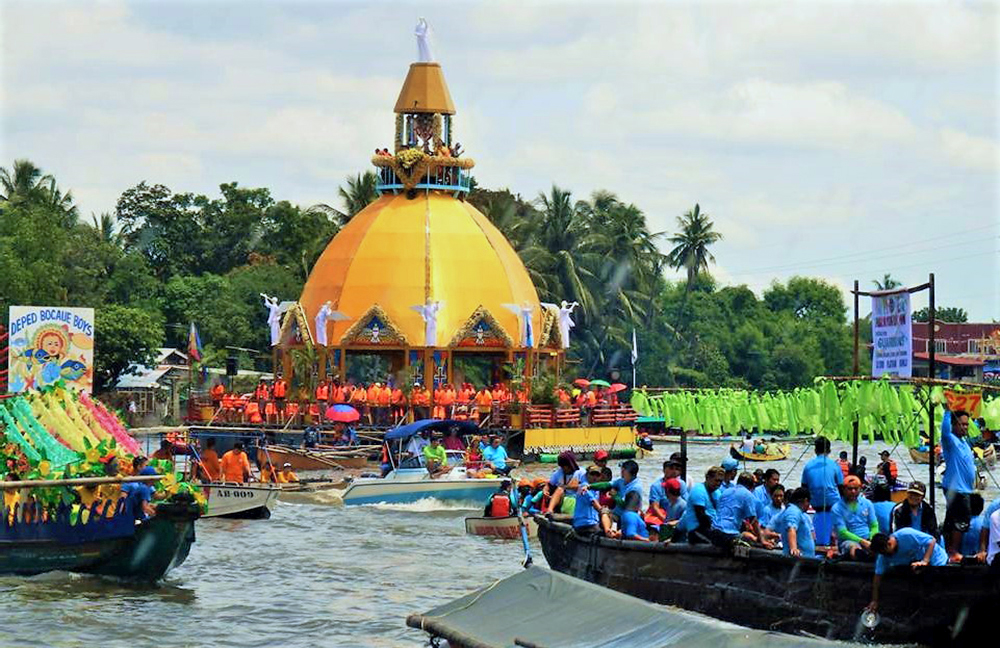
As Bulacan is surrounded by delta riverbeds, the water becomes ground for religious activities as well. On June in Calumpit town, devotees conduct the annual Libad festival in honor of San Juan Bautista and the Christianization of Bulacan. On July, the famous Pagoda ng Bocaue processes the Mahal na Poon ng Krus sa Wawa on its annual river route and in Hagonoy town, Sta. Ana and San Joaquin meet in an encuentro in the river and together, Mary’s parents go towards the shrine with singing and dancing.
DIOCESAN GOLDEN JUBILEE
Five-Year Preparation
FOURTH BISHOP
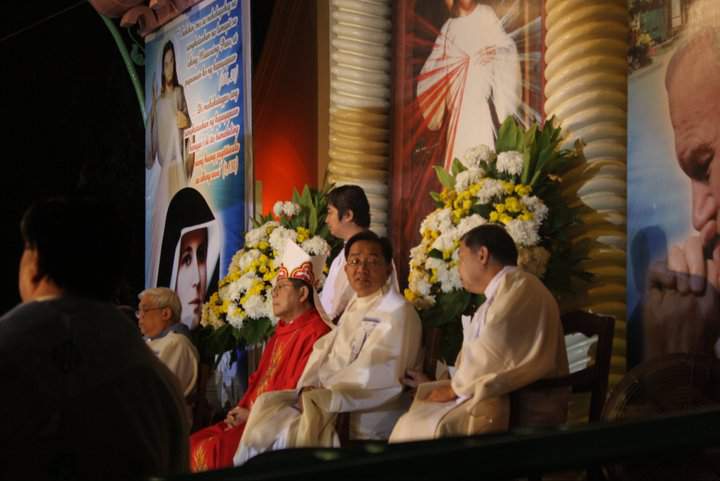
In 2004, Most Rev. Jose Francisco Oliveros, D.D., then Bishop of Boac, replaced Bishop Tirona, who would later be assigned as Prelate of Infanta and then Archbishop of Caceres. Bishop Oliveros became Apostolic Administrator sede vacante before assuming office. It was in his term that the Diocese of Malolos prepared for its Golden Jubilee. During his time, the Diocese was divided into four ecclesiastical districts (West, East, South and North).
2007-2012
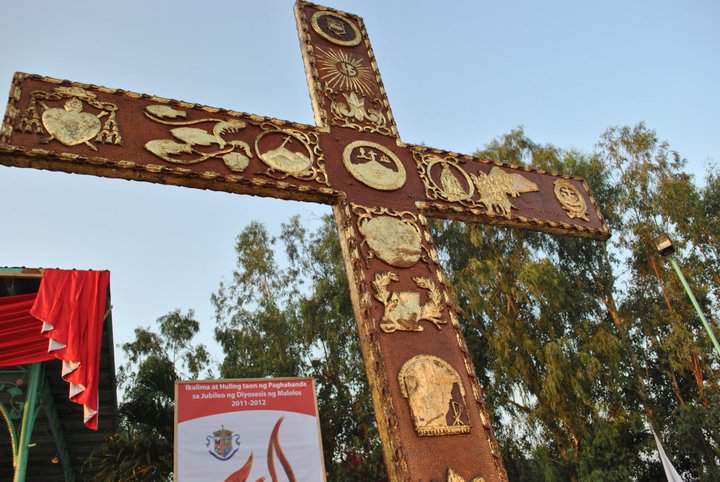
The Diocese had five preparatory years dedicated to the priests, religious, laity and the youth of the Diocese. During the journey of the Diocese, the Jubilee Cross and the replica image of La Virgen Inmaculada Concepcion de Malolos joined the community in its journey towards the different religious, social, cultural and beneficial gatherings held during the five-year preparation, which was a remarkable opportunity for people to renew their faith in the Lord.
Jubilee Projects
JUBILEE PROJECTS
The Diocese fulfilled four jubilee projects: the Jubilee Shelter Program in Plaridel, Bulacan under the Commission on Social Action, for those who need homes due to the devastation of Typhoon Ondoy; the Diocesan Pastoral Center in Malolos City under the Diocesan Curia; the Diocesan Formation Center in Guiguinto, Bulacan, under the Commission on Formation for different seminars and events of the Diocese and the Bahay Pastol in San Ildefonso, Bulacan, a home for retired and sickly priests.
Canonical Coronation of La Virgen Inmaculada Concepcion de Malolos
CANONICAL CORONATION
The Diocese celebrated its Golden Jubilee with much splendor. The image of La Virgen Inmaculada Concepcion de Malolos of the Malolos Cathedral, Patroness of the Diocese was canonically crowned under the authority of Pope Benedict XVI by then Apostolic Nuncio to the Philippines Giuseppe Pinto and Bishop Oliveros.
The Second Synod of Malolos
APRIL 2013
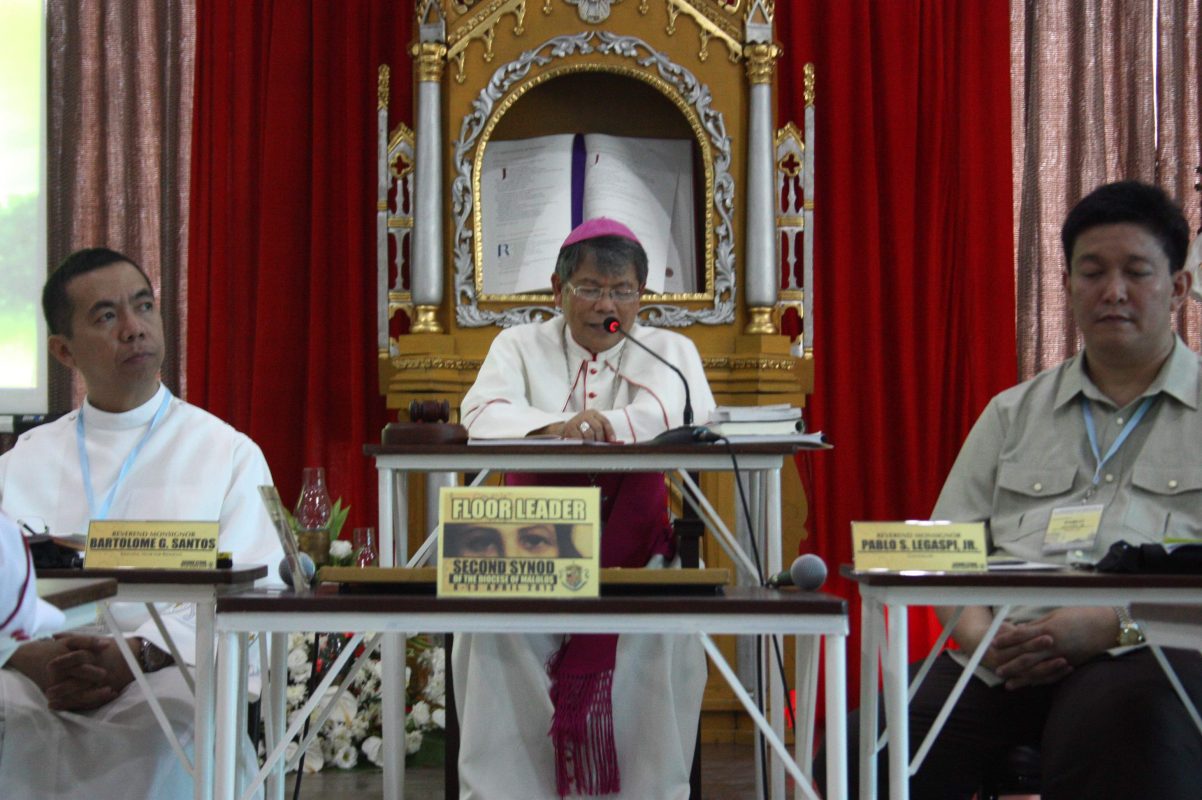
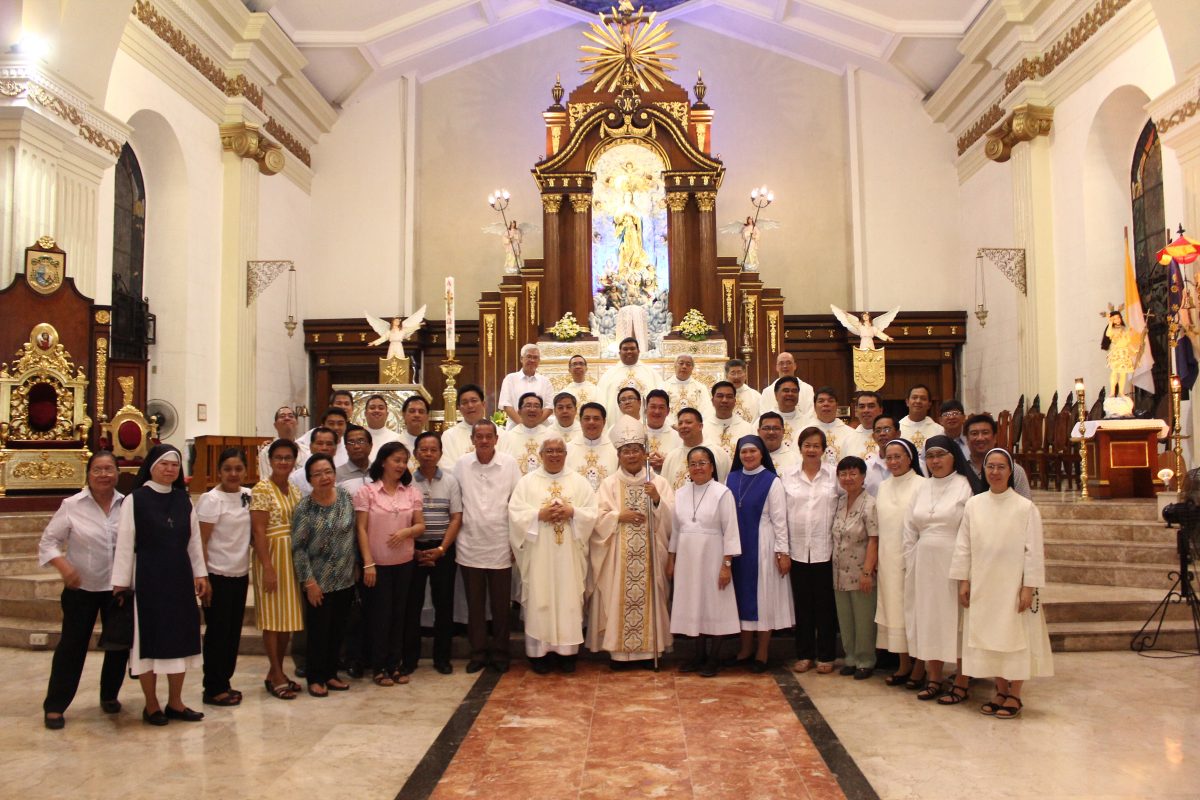
The Jubilee year gave way for the reform of the Diocese in the era of the New Evangelization through the Second Synod of Malolos held on April 2013 at the Diocese Formation Center in Guiguinto, Bulacan. With the theme “Contemplating the Face of Christ and Proclaiming God’s Transforming Grace with Unwavering Faith in the Diocese of Malolos”, the Synod was patterned after the nine pastoral priorities of the Church in the Philippines: Integral Faith Formation (Formation, Liturgy and Social Communication), Empowerment of the Laity, Church of the Poor (Social Action and Temporalities), the Family as focal point of Evangelization (Family & Life), Basic Ecclesial Communities, Clergy and Religious, Youth, Ecumenism and Interreligious Dialogue and Missio ad Gentes.
FIFTH BISHOP OF MALOLOS
A New Age
TRANSITION
Bishop Oliveros remained in office until May 2018 when he was received into the hands of the Creator. He is the first Bishop of Malolos to die in office. The transitory period was held under the appointment of Cubao Bishop Honesto F. Ongtioco as Apostolic Administrator
THE FIRST VISAYAN BISHOP OF MALOLOS
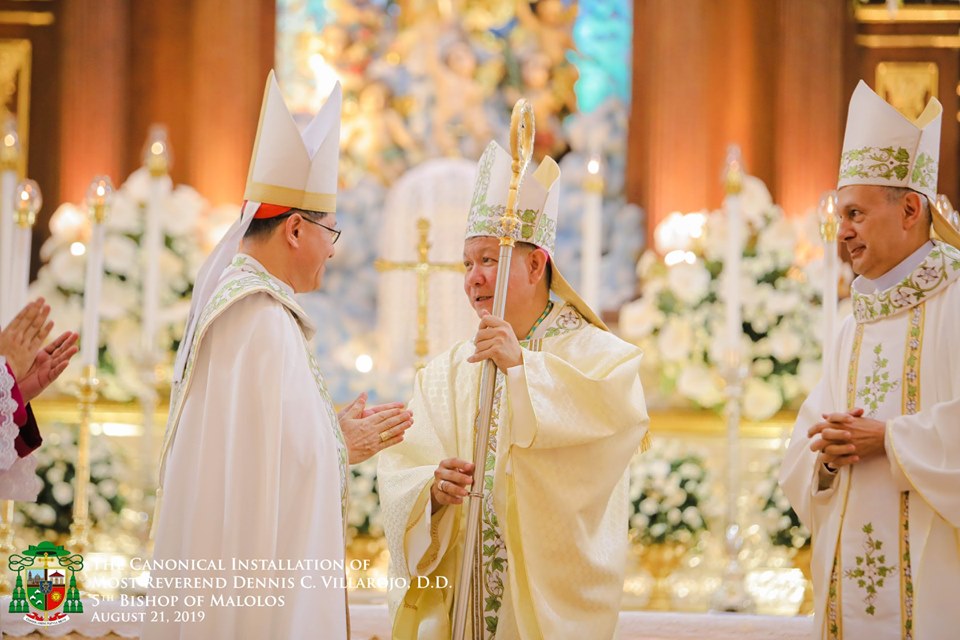
On May 14, 2019, Pope Francis appointed Cebu Auxiliary Bishop (and Gisipa Titular Bishop) Dennis C. Villarojo as the Fifth Bishop of Malolos. He was canonically installed at the Malolos Cathedral-Basilica on August 21, 2019 marking a new chapter in the history of the Diocese of Malolos.
Promotion of Devotions in the Diocese

shrines and pilgrimages
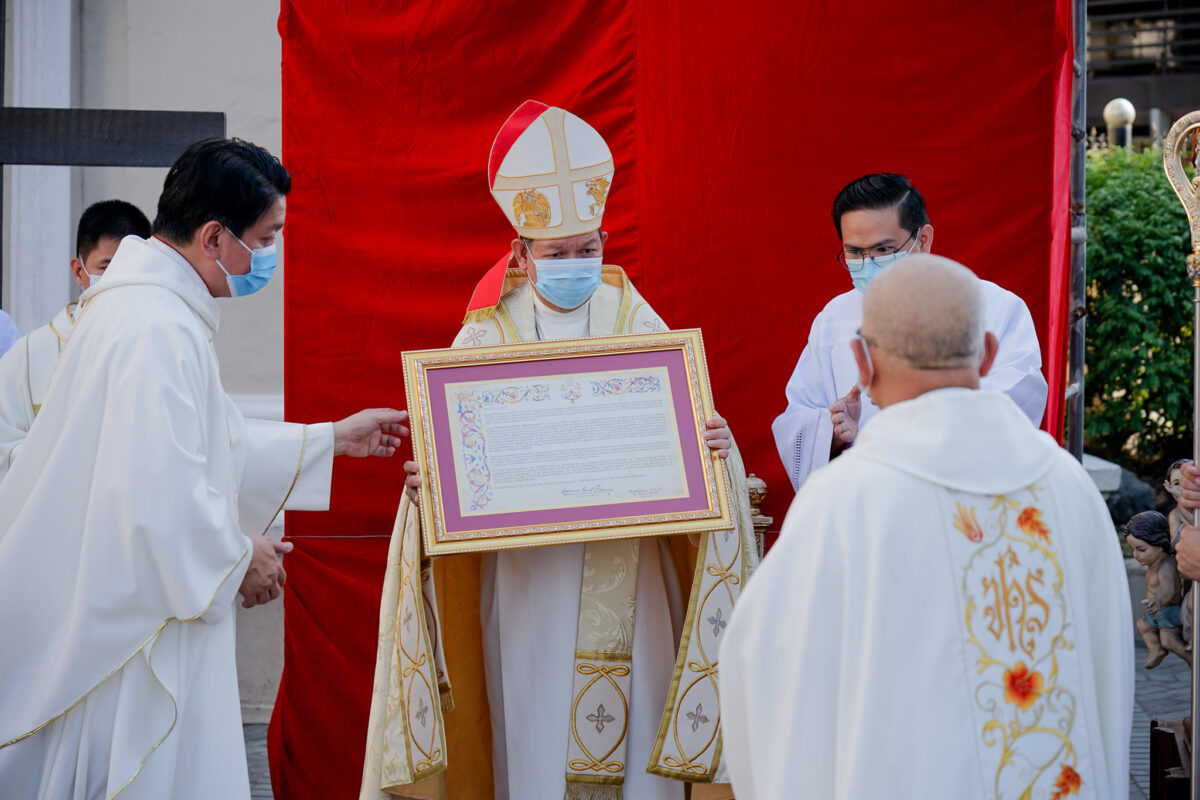
During the tenure of Bishop Villarojo, the Diocese saw an increase in various pilgrimage sites. In 2020, he approved of the recognition of the Nuestra Señora de la Asuncion Parish, Bulakan and San Isidro Labrador Parish, Pulilan as Diocesan Shrines. In 2021, he approved the recognition of San Miguel Arcangel Parish as a Diocesan Shrine. He also elevated the parish of Sto. Cristo in Lolomboy, Bocaue as the Diocesan Shrine of St. Andrew Kim Taegon, being a spiritual twin of the Shrine of the Korean Martyrs in South Korea and a domicile of the saint during his education in the Philippines.
In early 2021, he designated 30 churches comprised of mother parishes and shrines in the Diocese of Malolos as jubilee churches for the 500 years celebration of Christianity in the Philippines. In late 2021, the Bishop also led the faithful with the Apostolic Nuncio to the Philippines, Charles John Brown in the elevation of La Purisima Concepcion Parish as a Minor Basilica.
In 2022, he also led the faithful with Manila Archbishop Jose Cardinal Advincula and Catholic Bishops’ Conference of the Philippines President Pablo Virgilio David in the elevation of the Shrine of Our Lady of Salambao in Obando as the 27th national shrine, the fourth within the Diocese of Malolos.
In 2024, he also declared a new diocesan shrine dedicated to St. Rita of Cascia in Guiginto town.
MARIAN CORONATIONS
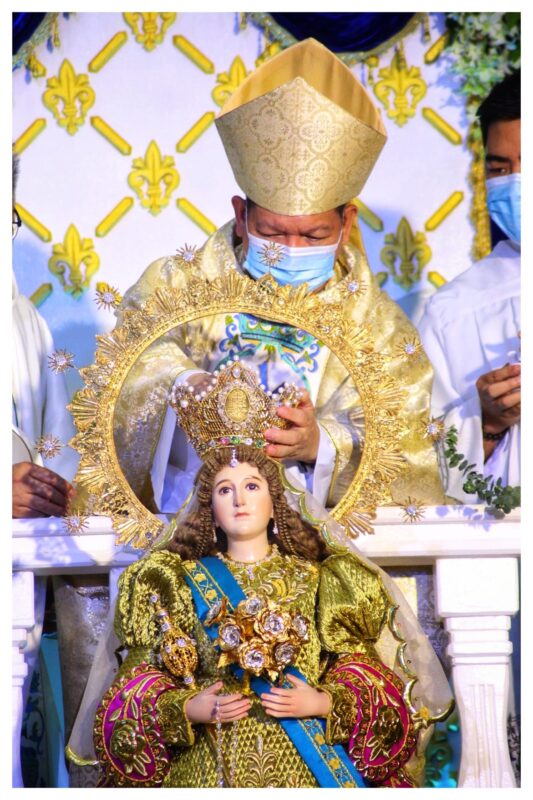
In 2019 to present, the Bishop has also ignited a movement for the promotion of Marian devotions in the Diocese and recognizing various Marian titles through canonical and episcopal coronations. In 2019, the images of Nuestra Señora del Carmen de San Sebastian de Pulong Buhangin of Our Lady of Mount Carmel Parish, Santa Maria and Nuestra Señora del Santisimo Rosario de Hagonoy of Nuestra Señora del Santisimo Rosario Parish, Hagonoy were granted an episcopal coronation,
In early 2020, the image of La Purisima Concepcion de Santa Maria in Santa Maria proper was granted a canonical coronation. Later that year, the Bishop granted the episcopal coronations of the images of Salus Infirmorum of San Isidro Labrador Parish, Bambang, Bulakan, Nuestra Señora de las Flores of St. Martin of Tours Parish, Bocaue and Nuestra Señora de la Asuncion of Bulakan.
In early 2021, the Bishop also approved the episcopal coronation of the image of La Purisima Concepcion de Baliuag (“Birhen sa Patio”).
In 2024, two images were also granted Marian coronations. On February 25, 2024, the Holy Father granted the pontifical coronation of the National Pilgrim Image of Our Lady of Fatima enshrined in the national shrine in Valenzuela City. On July 23, 2024, the Bishop also granted an episcopal coronation to the image of Madre de la Divina Gracia at St. Michael the Archangel Parish in Marilao.
Synod on Synodality and the Diocesan Pastoral Assembly
SYNOD ON SYNODALITY
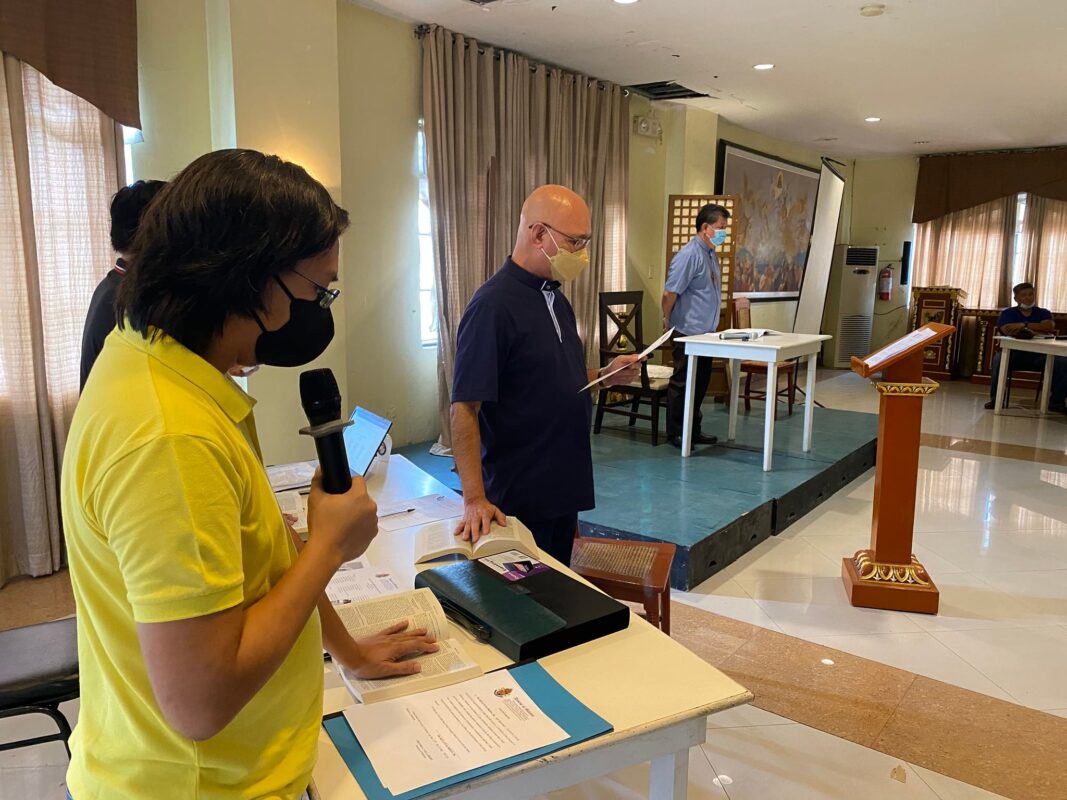
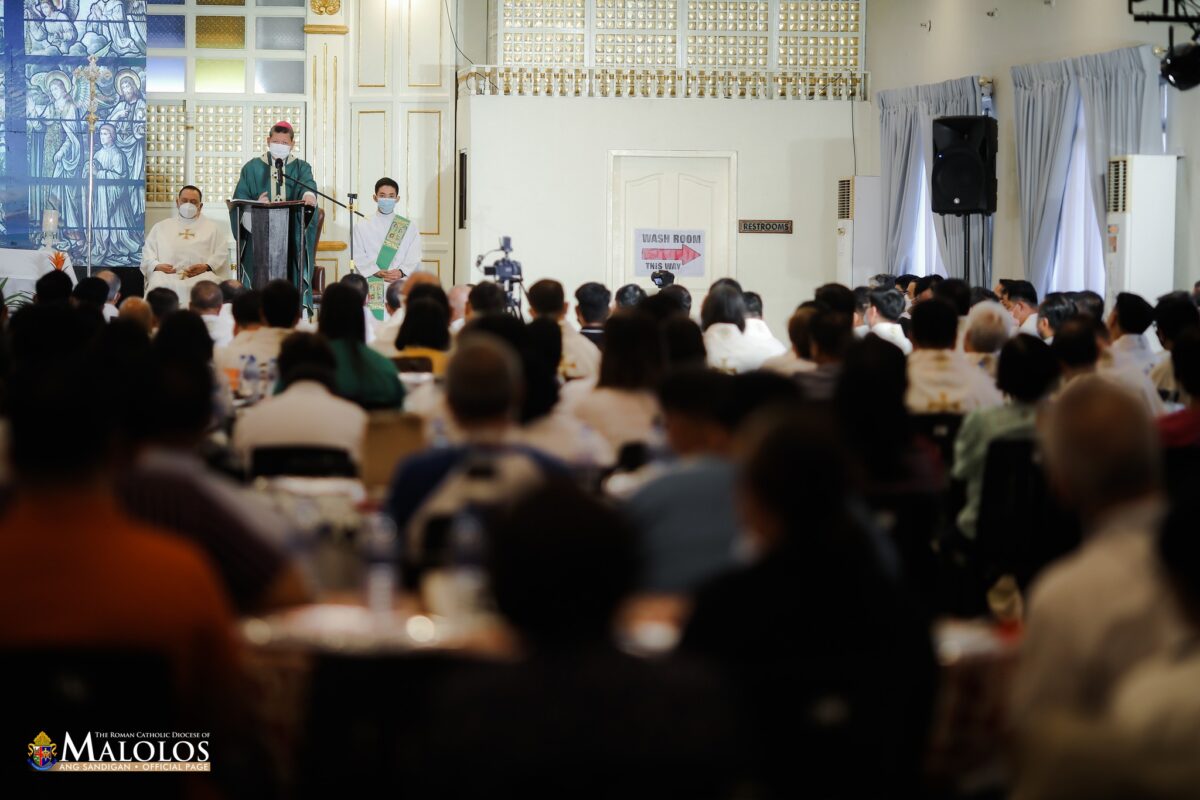
In response to the call of Pope Francis for the Synod on Synodality in 2013, the Diocese of Malolos made one of the most comprehensive synodal reports having more than 4000 respondents from various parish communities and concerned sectors in its territory. Through the network formed by the synodal reports, the Diocese was able to plan further in its implementation of pastoral planning for future endeavors.
DIOCESAN PASTORAL ASSEMBLY
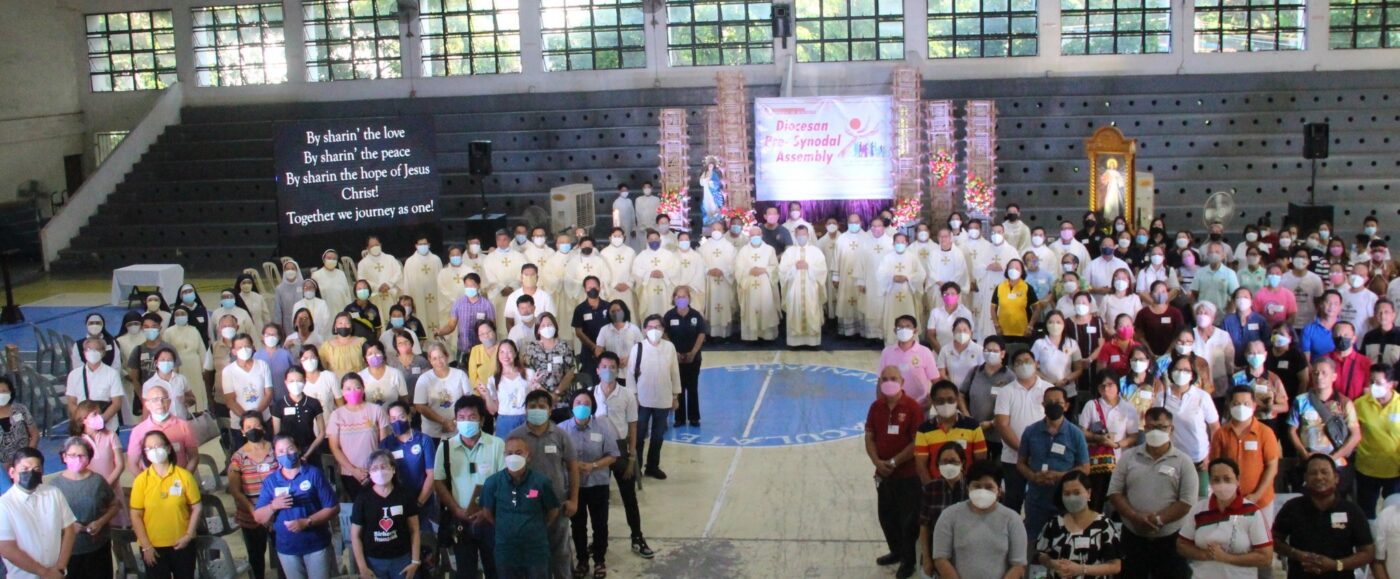
With the acknowledgment of the call to synodality and on the occasion of the 60th anniversary of the Diocese of Malolos in 2022, Bishop Villarojo initiated the opening of the Diocesan Pastoral Assembly held at 8 Waves Waterpark and Hotel on October 6, 2022. Through the collaboration of the clergy and the laity, the Diocese reviewed its pastoral priorities from the 2013 Second Synod and focused on 10 fundamental areas:
1. 𝘍𝘰𝘳𝘮𝘢𝘵𝘪𝘰𝘯
2. 𝘓𝘪𝘵𝘶𝘳𝘨𝘺
3. 𝘠𝘰𝘶𝘵𝘩
4. 𝘚𝘰𝘤𝘪𝘢𝘭 𝘈𝘤𝘵𝘪𝘰𝘯
5. 𝘍𝘢𝘮𝘪𝘭𝘺 𝘢𝘯𝘥 𝘓𝘪𝘧𝘦, 𝘓𝘢𝘪𝘵𝘺
6. 𝘊𝘭𝘦𝘳𝘨𝘺
7. 𝘚𝘰𝘤𝘪𝘢𝘭 𝘊𝘰𝘮𝘮𝘶𝘯𝘪𝘤𝘢𝘵𝘪𝘰𝘯, 𝘔𝘪𝘴𝘴𝘪𝘰𝘯
8. 𝘉𝘢𝘴𝘪𝘤 𝘌𝘤𝘤𝘭𝘦𝘴𝘪𝘢𝘭 𝘊𝘰𝘮𝘮𝘶𝘯𝘪𝘵𝘺 (𝘉𝘌𝘊)
9. 𝘊𝘢𝘵𝘩𝘰𝘭𝘪𝘤 𝘌𝘥𝘶𝘤𝘢𝘵𝘪𝘰𝘯, 𝘊𝘢𝘵𝘦𝘤𝘩𝘦𝘴𝘪𝘴
10. 𝘛𝘦𝘮𝘱𝘰𝘳𝘢𝘭𝘪𝘵𝘪𝘦𝘴
As a fruit of this assembly, the Diocese of Malolos launched the “Taon ng Pagbubuklod” with the release of the Diocesan Pastoral Plan 2022-2023 which was be inaugurated in parishes of the Diocese on the Solemnity of Christ the King on November 20, 2022.
In the succeeding years, the same process was applied to the next pastoral years of the Diocese. For the Pastoral Year 2023-2024, the Diocese launched the “Taon ng Pakikibahagi” with the release of the Diocesan Pastoral Plan 2023-2024. For the Pastoral Year 2024-2025, the Diocese aligned its thrust with the Jubilee of Hope with the theme “Kamanlalakbay ng Pag-asa, Misyonero ng Pananampalataya” (Co-journeyer of Hope, Missionary of Faith). These pastoral years would serve as the continuation of the pastoral thrust of the Diocese to enact the synodal path.
SOURCES
Archival Sources
Order of St. Augustine – Province of the Holy Name of Jesus. Libro de Gobierno dela Provinica del Santisimo Nombre de Jesus de Filipinas. Valladolid and Madrid: Augustinian Archives. Libro I. fol. 19, 30, 31, 36, 40, 82, 115, 128, 150.
___________________. Libro de Gobierno dela Provinica del Santisimo Nombre de Jesus de Filipinas. Valladolid and Madrid: Augustinian Archives. Libro V. fol. 95, 96, 138.
___________________. Mapa General de las Almas que administran los PP. Agustinos. Manila, 1848.
De Huerta, Felix, O.F.M. Estado de la Provincia de San Gregorio Magno. Imprenta de N. Sanchez, Binondo, Manila, 1865.
Galende, Rev. Fr. Pedro G. O.S.A, Angels in Stone: Augustinian Churches in the Philippines. Manila: San Agustin Museum, 1996.
Jorde Perez, Elviro, O.S.A. Catalogo Bio-Bibliografico de los Religiosos Agustinos de la Provincia de Santisimo Nombre de Jesus de Filipinas des de su fundacion hasta nuestros dias. Manila, 1901.
Jose, Regalado Trota. Curas de Almas: A preliminary listing of parishes and parish priests in the 19th century Philippines based on the Guias de Forasteros, 1834 – 1898,Vol. 2: Curatos A-J. Manila: UST Publishing House, 2008.
Rodriguez, Isacio, O.S.A., Historia dela Provincia Augustiniana del Santisimo Nombre de Jesus de Filipinas. Manila, 1967.
Villacorta, Francisco, O.S.A. Administracion Espiritual de los Padres Agustinos calzados de la Provincia del Dulce Nombre de Jesus de las Islas Filipinas. Manila,1833.
Local Sources
Diyosesis ng Malolos. ”Program of Activities” in Diocese of Malolos: Silver Jubilee Souvenir Program (1962 – March 11,1987). Malolos: Diocese of Malolos, 1987.
__________________. The First Diocesan Synod of Malolos (Synodal Documents). Malolos, Diocese of Malolos, 1987.
__________________. Basilica Minore: Our Lady of the Immaculate Conception. Malolos: Diocese of Malolos, 2000.
__________________. Acts and Declaration of the Second Diocesan Synod of Malolos. Malolos, Diocese of Malolos, 2013.
Malolos Diocesan Commission on Liturgy. Omnia Omnibus: 80 Years of Unending Grace (The 80th Birthday Celebration of Most Rev. Cirilo R. Almario, Jr., D.D., Bishop Emeritus of Malolos – 11th of January, 2011). Malolos: Image and Likeness Press, 2011.
__________________________. Liturgical Calendar 2009. Malolos: Image and Likeness Press, 2009.
__________________________. Pamana: Liturgical Calendar 2011, Malolos: Image and Likeness Press, 2011.